



Forschen Beraten Prüfen
Wasser ist eine der wichtigsten Lebensgrundlagen der Erde. Im TZW gehen wir diesem besonderen Stoff auf den Grund.
Das TZW Profil
Wasser ist eine der wichtigsten Lebensgrundlagen der Erde. Im TZW gehen wir diesem besonderen Stoff auf den Grund.
Das TZW Profil

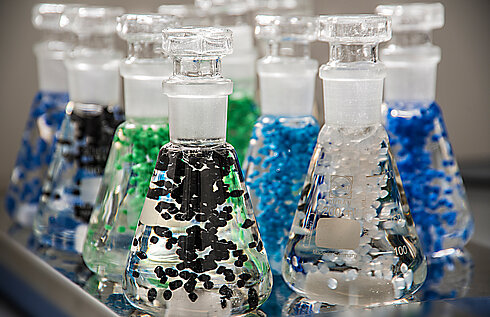
Beraten mit hoher Kompetenz
Wir entwickeln praxisnahe Lösungen auf der Basis umfangreicher Forschungsarbeiten für unsere Kundinnen und Kunden aus der Wasserbranche.
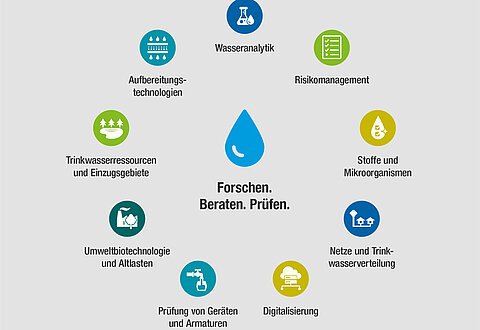
Die TZW Lösungen
Wir entwickeln praxisnahe Lösungen auf der Basis umfangreicher Forschungsarbeiten für unsere Kundinnen und Kunden aus der Wasserbranche.
Die TZW Lösungen
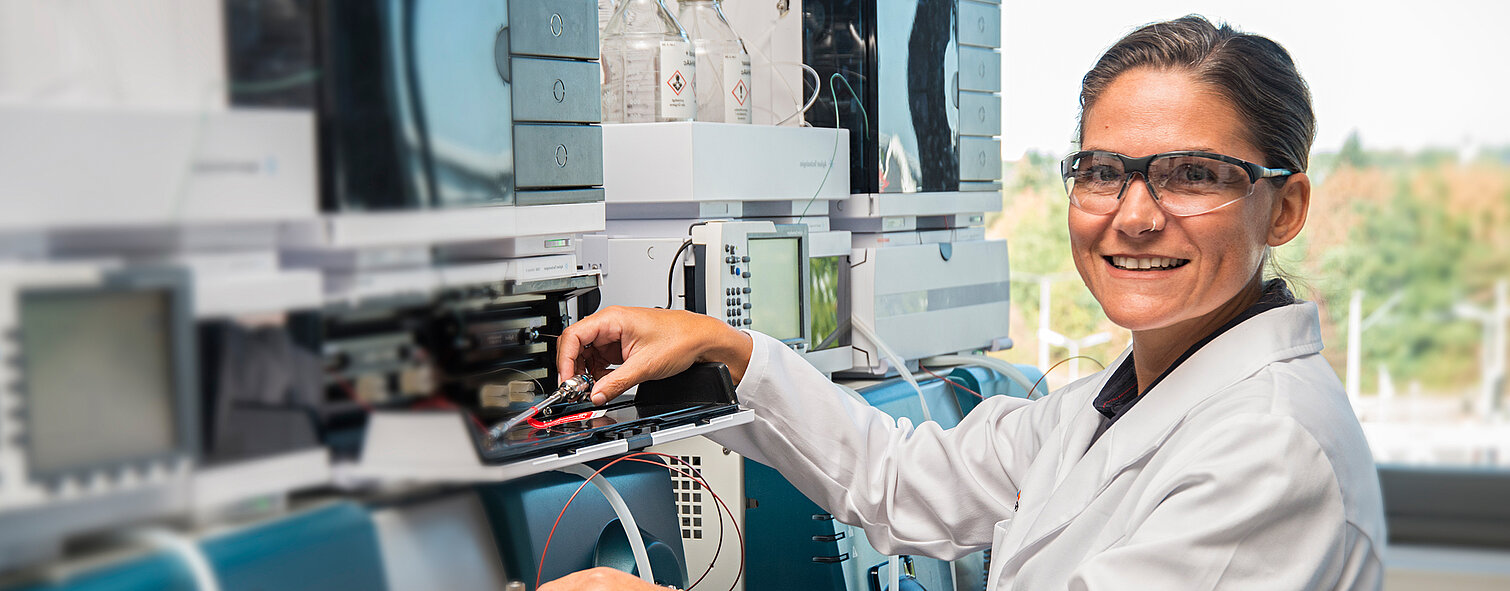
Innovationen für das Wasserfach
Unsere Forschung ist zukunftsfähig, weil sie die Herausforderungen von morgen erkennt und gezielt in Projekte umsetzt.
Die TZW Forschung
Unsere Forschung ist zukunftsfähig, weil sie die Herausforderungen von morgen erkennt und gezielt in Projekte umsetzt.
Die TZW Forschung

Prüfen und Bewerten
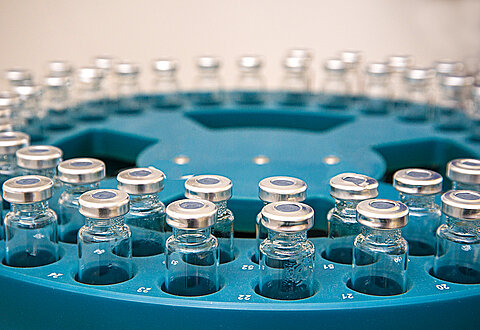
Wir analysieren, bewerten und prüfen in unseren akkreditierten Laboren und der Prüfstelle Wasser.
Das TZW Labor
Die TZW Prüfstelle
Wir analysieren, bewerten und prüfen in unseren akkreditierten Laboren und der Prüfstelle Wasser.
Das TZW Labor
Die TZW Prüfstelle

Für die Zukunft des Wassers
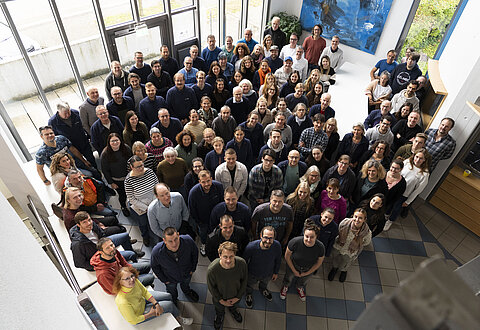
In einer offenen Arbeitsatmosphäre arbeiten wir in interdisziplinären Teams für die Wasserversorgung von heute und morgen.
Aktuelle Stellenangebote
In einer offenen Arbeitsatmosphäre arbeiten wir in interdisziplinären Teams für die Wasserversorgung von heute und morgen.
Aktuelle Stellenangebote